





Use of Legume-Based Cover Crops for Sustainable Soil Management in Olive Orchards
The Living Lab experiment evaluates four different treatments:
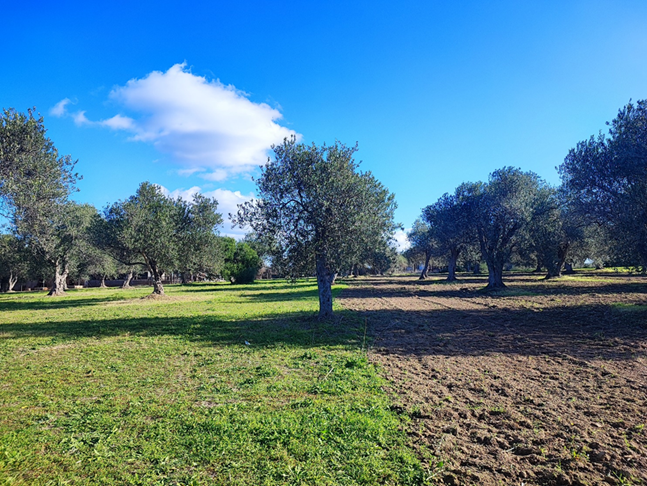
i) a cover crop composed of an innovative mix of self-reseeding annual legume species (native),
ii) a cover crop using a commercial seed mix,
both compared with the most common traditional practices in Mediterranean environments:
iii) spontaneous ground cover, and
iv) periodic soil tillage.
The main components of the agroecosystem—soil, herbaceous layer, and tree canopy—are monitored and assessed to:
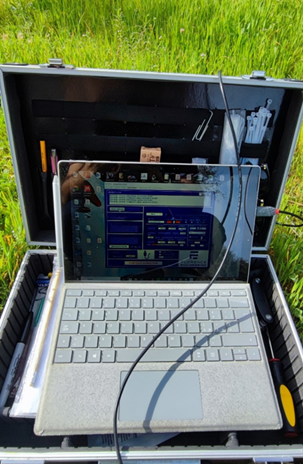
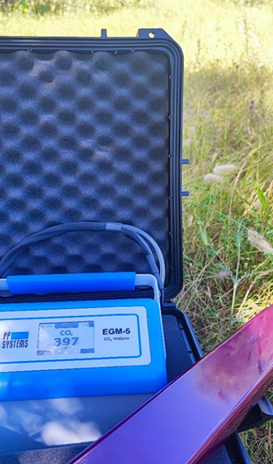
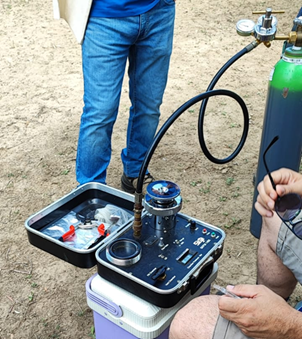
a) measure soil gas exchange and changes in soil moisture content;
b) evaluate the contribution of herbaceous species to biomass accumulation;
c) quantify the impact of different cropping systems on microbial and fungal biodiversity;
d) assess competition for water with olive trees and any resulting effects on olive yield.
Obiettivi
The main objective of this experiment is to provide practical insights for the sustainable management of multifunctional olive groves under dry Mediterranean conditions.
The study explores the effects of different soil management practices in olive orchards, focusing on an innovative approach that uses native legume-based cover crops. The goal is to reduce agricultural inputs while enhancing soil quality and promoting biodiversity.
Enti coinvolti
- CNR
- Azienda agricola Ettore Martometti